



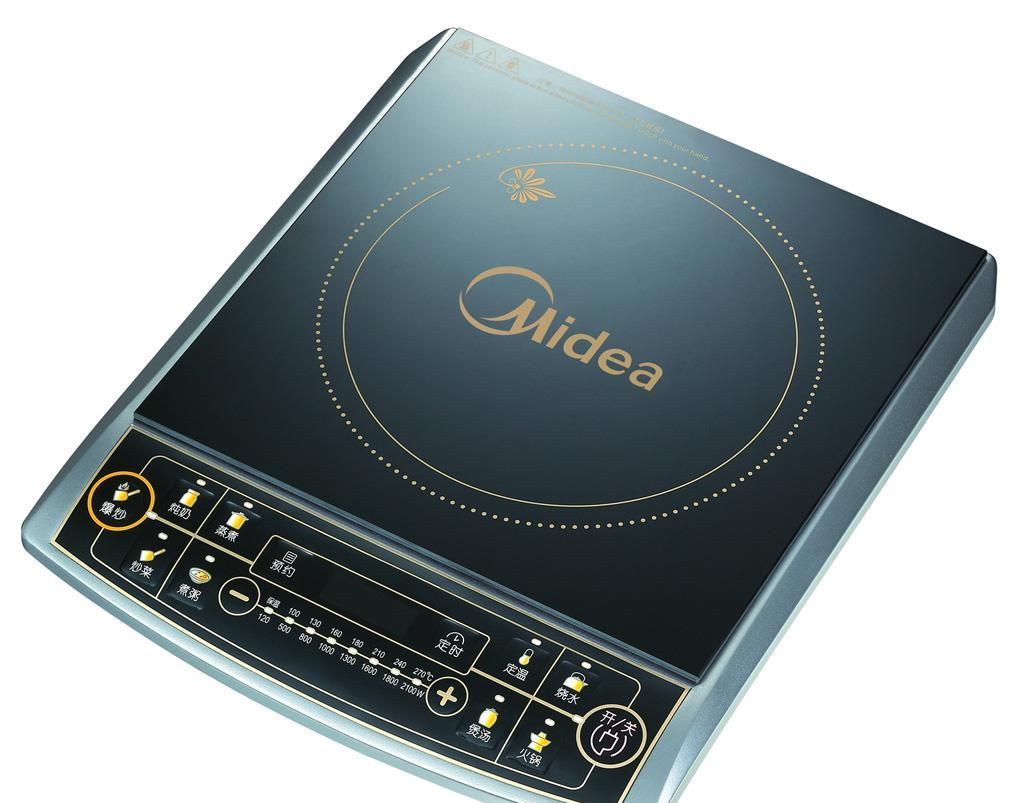
With the accelerating trend of kitchen appliance intelligence, induction cooktops have become a popular choice for modern home cooking.
However, frequent electrical safety hazards have aroused concerns.
According to the latest report from the U.S. Consumer Product Safety Commission (CPSC), induction cooktop-related accidents have increased by 15% in the past year, mainly due to electric leakage and overheating issues.
As a professional third-party inspection company, we launch this guide on key safety inspection points for induction cooktops to help manufacturers improve product quality and assist consumers in making rational purchases.
1. Electrical Safety
- Insulation and Grounding: Test the voltage resistance of insulating materials (>1000V) and grounding resistance (<0.1Ω) to meet UL 858 requirements and prevent electric leakage risks.
- Overload Protection: Test overcurrent, overvoltage, and short-circuit protection mechanisms to ensure automatic power cutoff.
- Power Cord and Plug: Inspect tensile strength and heat resistance in compliance with CSA C22.2 standards.
2. Electromagnetic Compatibility (EMC)
- Radiation and Conducted Interference: Test electromagnetic radiation levels in accordance with EN 55014-1/2 to ensure no interference with other devices (such as radios and medical equipment).
- Immunity to Interference: Simulate external electromagnetic fields to verify stable operation of the equipment.
- RoHS and REACH: Detect hazardous substances (such as lead and mercury) with content limits <0.1%.
3. Thermal Safety and Fire Prevention
- Cooking Oil Ignition Test: In accordance with UL 858, simulate oil temperature rise to ensure no fire hazards; cookware compatibility testing requires flat ferromagnetic materials.
- Overheating Protection: Built-in sensors automatically shut down the device when detecting temperatures >250°C to prevent dry burning.
- Surface Heat Resistance: Test the impact resistance and thermal cycling performance of glass-ceramic panels to avoid cracking.
4. Mechanical Structure
- Stability: Equip with anti-tip devices and conduct tilt tests to ensure horizontal stability.
- Durability: Evaluate component service life (>5000 hours) through vibration, impact, and aging tests.
- Ventilation and Heat Dissipation: Inspect the design of fans and heat dissipation holes to prevent internal overheating.
5. Labeling and Instructions
- Warning Labels: Permanently affixed, including usage restrictions (such as “Use only compatible cookware” and “Do not touch hot surfaces”) and certification marks (UL/ETL).
- Instruction Manuals: Detail installation methods, cleaning procedures, power range (usually 1500-2000W), and troubleshooting, with multilingual support.
6. Overall Performance
- Efficiency and Energy Efficiency: Test heating efficiency (>80%) in accordance with ERP directives and monitor energy consumption.
- Periodic Inspection: Annual third-party testing to check batch consistency.
- Special Requirements: Additional synchronous operation testing for multi-burner models; waterproof rating (IPX4) inspection for portable models.
CPSC data shows that electrical faults account for over 80% of accidents. Choosing products certified by UL/ETL can significantly reduce risks.
We call on the industry to strengthen self-regulation and provide manufacturers with customized inspection solutions to promote the induction cooktop market towards a safer and smarter direction.
For detailed reports or consultations, please visit our news website or contact our inspection hotline. Safe cooking starts with professional inspection!
Post time: Dec-30-2025