



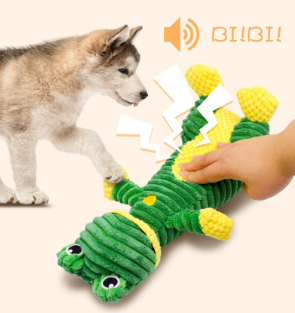
As pet ownership rises globally, the demand for high-quality, safe pet toys has never been greater.
For manufacturers, importers, and retailers, adhering to strict safety standards is not only a legal obligation but also a commitment to building consumer trust.
As a professional third-party testing organization, we have leveraged our years of experience and international certification expertise to summarize core inspection standards for pet toys, helping companies reduce risks and provide products that protect pet health.
1. Material Safety: The Foundation of Pet Toy Quality
Pet toys’ materials directly impact the health of animals that chew, lick, or ingest small fragments.
Third-party inspections focus on eliminating hazardous substances and ensuring durability:
• Toxic Substance Screening: Strictly test for heavy metals (lead, cadmium, mercury), phthalates, BPA, and formaldehyde. Compliance with global standards such as ASTM F963 (U.S.), EN 71 (EU), and ISO 10335 is mandatory to prevent poisoning from prolonged contact or accidental ingestion.
• Material Durability & Suitability:
o Rubber/plastic toys: Inspect for brittleness, cracking, or easy fragmentation (especially critical for aggressive chewers like large dog breeds).
Ensure no sharp edges form when chewed.
o Fabric toys: Verify non-toxic dyes (no color bleeding when wet) and avoid loose threads or small decorative elements (e.g., buttons, sequins) that can be torn off and swallowed.
o Natural materials (cotton, hemp): Check for mold, pesticides, or chemical residues, adhering to organic certification standards where applicable.
2. Structural Safety: Preventing Choking, Entanglement, and Injury Risks
Pets’ playful nature—chewing, tugging, and pouncing—puts toys under intense stress. Structural inspections focus on eliminating life-threatening hazards:
• Small Parts Test: Any component (e.g., bells, squeakers, eyes) must withstand a 20N pull test (per ASTM F963) to ensure they won’t detach.
• Entanglement Hazard Checks: For rope toys or toys with strings, ensure length does not exceed 15cm (for small pets) or 20cm (for large pets) to prevent neck or limb entanglement. Avoid looped designs that can constrict pets.
• Edge & Sharpness Inspection: All surfaces—even after simulated chewing (via bite force testing)—must be smooth and free of burrs, splinters, or sharp edges that could lacerate a pet’s mouth or paws.
• Tensile Strength Testing: Toys designed for tug-of-war or chewing must pass tensile strength tests to avoid sudden breakage, which can lead to ingestion of large fragments.
3. Functional Safety: Ensuring Toys Perform Without Risks
Functional defects can turn a playful toy into a hazard. Key inspection items include:
• Squeaker & Electronic Component Safety:
For squeaky toys, ensure the squeaker is sealed securely to prevent ingestion.
Electronic toys (e.g., interactive lasers, battery-operated devices) must have waterproof, shatterproof casings and non-toxic batteries.
Battery compartments must be child- and pet-proof (screwed shut) to avoid leakage or ingestion.
• Flammability Testing: Fabric or plush toys must meet flammability standards (e.g., 16 CFR Part 1610) to reduce fire risks, especially if pets are left unsupervised.
• Washability Verification: Toys labeled “washable” must withstand repeated cleaning (machine or hand wash) without disintegrating, fading, or releasing toxic substances.
4. Compliance with Global Standards: A Must for Market Access
Different regions have strict regulations for pet toys—non-compliance can lead to product recalls, fines, or banned sales. Third-party inspections ensure adherence to:
• U.S.: ASTM F963 (toy safety), CPSIA (Consumer Product Safety Improvement Act) for lead and phthalates.
• EU: EN 71 (general toy safety), REACH (restriction of hazardous substances).
• Global: ISO 10335 (pet products safety guidelines), FDA regulations for materials in contact with pets.
Why Partner with a Third-Party Inspection Provider?
• Authoritative Validation: Independent inspection ensures unbiased results, building credibility with retailers and consumers.
• Risk Mitigation: Early detection of defects prevents costly recalls, reputational damage, and potential legal liabilities.
• Market Access Support: Expertise in regional standards simplifies compliance for global distribution.
• Customized Testing: Tailored solutions for specialized toys (e.g., dental chews, interactive puzzles) to meet unique safety needs.
Conclusion: Safe Toys, Happy Pets, Trusted Brands
Pet toy safety is non-negotiable—every product should be designed and tested to protect the furry companions we cherish.
By prioritizing rigorous third-party inspections, businesses demonstrate their commitment to quality and pet welfare, fostering long-term trust with consumers.
Post time: Dec-18-2025