



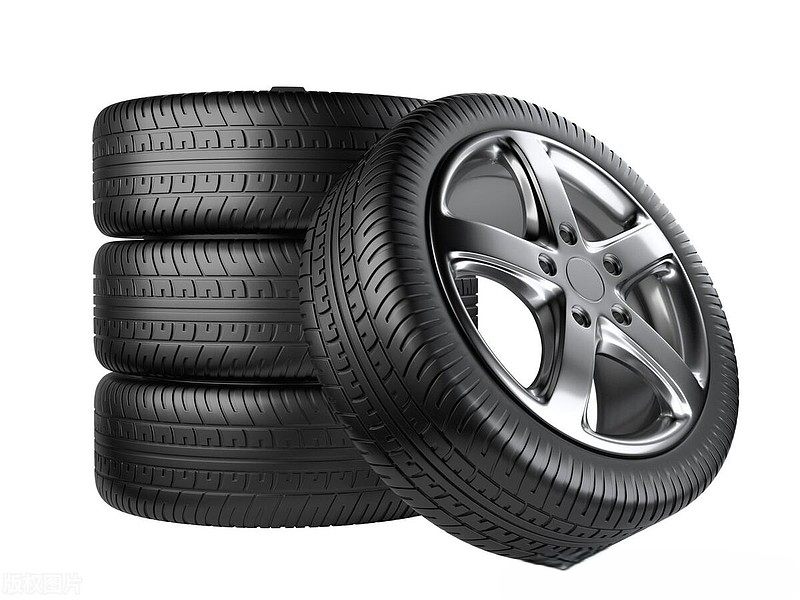
In the increasingly competitive international trade market, the successful delivery of automotive tire export orders depends not only on price advantage but, more critically, on stable product quality. However, returns, claims, and the collapse of client trust due to quality issues have become major challenges for many exporting enterprises. Every quality incident can lead to significant losses in logistics and tariffs, and cause irreversible damage to a company’s international reputation. The intervention of a third-party inspection agency is the crucial step to mitigate these risks and ensure the smooth progress of trade.
Three Key Inspection Strategies to Mitigate Export Risks
To ensure that exported tires comply with international standards and buyer contract requirements, third-party inspection agencies typically execute a rigorous and systematic inspection process. Below are the three key inspection strategies for safeguarding the quality of export tires:
I. Visual Inspection (Exterior Quality Check)
Visual inspection is the first line of defense for identifying manufacturing defects.
Inspectors will conduct a detailed examination of the tire’s overall appearance based on industry standards and contractual requirements.
Key inspection points include: Carcass Integrity, checking the sidewall and tread for structural defects such as cracks, bulges, or bubbles; Material Uniformity, carefully observing for signs of insufficient rubber (under-curing), excessive rubber (over-curing), or obvious foreign impurities; Marking Clarity, verifying that the brand, model, specifications, and other printed markings on the sidewall are clear, complete, and free from blurring or peeling; and Tread Pattern and Burrs, ensuring the tread depth is uniform, free from significant deformation, and without performance-affecting residual burrs. Any severe visual defect can lead to the rejection of goods at the port of destination.
II. Specification and Compliance Verification (Technical Requirements Check)
Compliance with technical specifications is fundamental to ensuring smooth customs clearance and legal sales in the target market.
This stage primarily verifies the consistency of the product with the contract and regulatory requirements, specifically: Key Parameter Verification, strictly checking that core parameters such as the tire’s size, Load Index, and Speed Rating are in full accordance with the purchase contract; Production Date Check, examining the tire’s date of manufacture, which is typically required to be within 6 months to guarantee optimal performance and lifespan; and Mandatory Certification Marks, confirming that all mandatory certification marks required by the export target market, such as ECE for Europe, DOT for the US, and SNI for Indonesia, are present and correctly labeled. The absence of necessary certification marks will directly prevent customs clearance.
III. Sampling Performance Test
By conducting performance tests on selected samples, the inherent quality and safety of the entire batch can be effectively assessed, preventing batch-related quality issues. Performance tests primarily include: Airtightness Test, inflating the sampled tires and monitoring their pressure stability over a specified period to check for micro-leaks and ensure sealing performance; and Rigidity and Elasticity Assessment, using professional equipment or standardized methods to press the tire, evaluating the rigidity of the carcass and the uniformity of sidewall elasticity to determine its structural strength and resistance to deformation. Performance testing is an effective means to ensure user safety and minimize after-sales disputes.
Inspection: The Final Defense for Corporate Reputation
In the international trade supply chain, third-party inspection is by no means a mere routine process; it is the final, solid line of defense for exporting enterprises to secure order delivery and maintain corporate reputation. Through professional and independent inspection services, companies can achieve: Proactive Risk Management, identifying and resolving potential quality issues before the goods leave port; Enhanced Client Trust, using authoritative inspection reports as quality credentials to significantly boost buyer confidence; and Supply Chain Optimization, providing timely feedback on quality issues to help manufacturers improve production processes.
We are committed to providing global clients with professional, efficient, and impartial third-party inspection services, helping your products successfully enter the international market. Please contact our team of experts to learn more about customized solutions for export tire inspection.
Post time: Nov-19-2025