



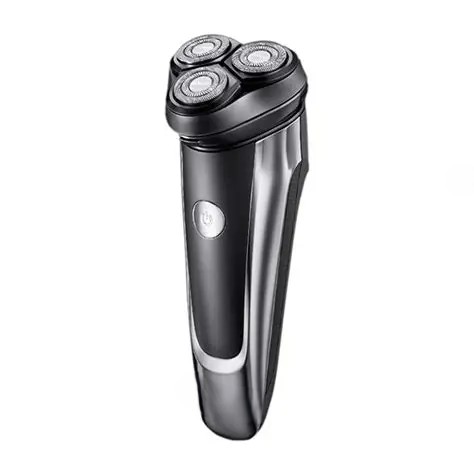
November 27, 2025 – As electric shavers become increasingly sophisticated, offering features like wet shaving and fast charging, the need for rigorous third-party testing is more critical than ever. For manufacturers and consumers alike, ensuring compliance with international safety standards is paramount to product quality and market access.
A leading standard in this sector is IEC 60335-2-8: Household and similar electrical appliances – Safety – Part 2-8: Particular requirements for shavers, hair clippers and similar appliances. This standard, often adopted globally, sets the benchmark for safety and performance, covering everything from basic electrical safety to specialized requirements for modern features.
Key Pillars of Electric Shaver Testing
Third-party inspection companies focus on several critical areas to verify a product’s safety and reliability:
1. Electrical Safety and Protection Against Shock At the core of the testing process is the assessment of electrical safety. This includes:
•Insulation Resistance and Dielectric Strength: Ensuring the appliance’s insulation is robust enough to prevent electric shock under normal and fault conditions.
•Leakage Current: Measuring any unintended current flow to ensure it remains below hazardous limits.
•Compliance with IEC 60335-1: The shaver must first meet the general safety requirements outlined in the parent standard, IEC 60335-1.
2. Ingress Protection (IP Rating) for Wet Shavers With the rise of waterproof models, testing for Ingress Protection (IP Code) according to IEC 60529 is vital. This test confirms the shaver’s ability to resist water penetration, which is essential for products designed for wet use or cleaning under running water.
•IPX7 (Immersion): A common requirement for wet shavers, ensuring the device can withstand temporary immersion in water.
•IPX4 (Splashing Water): Often tested for charging bases or non-immersible parts.
3. Thermal Performance (Temperature Rise) The shaver must operate without overheating, which could cause burns or damage to internal components.
•Temperature Rise Test: The appliance is operated under normal load for a specified period, and the temperature of accessible parts (e.g., casing, charging contacts) is measured. The rise must not exceed the limits specified in the standard.
4. Mechanical Strength and Durability A shaver must be durable enough to withstand the rigors of daily use, including accidental drops.
•Impact Test: The appliance is subjected to controlled impacts to ensure the enclosure remains intact and safety-critical components are not compromised.
•Strain Relief: Testing the power cord’s connection to the appliance to ensure it cannot be easily pulled out or damaged.
The Value of Third-Party Verification
For manufacturers, achieving compliance with IEC 60335-2-8 and related standards is not just a regulatory hurdle; it is a competitive advantage. Third-party testing provides:
•Market Access: Compliance is often mandatory for selling products in major global markets (e.g., EU, North America).
•Consumer Trust: Independent verification assures consumers of the product’s safety and quality.
•Risk Mitigation: Identifying and correcting design flaws before mass production reduces the risk of costly recalls and liability issues.
By partnering with accredited testing laboratories, manufacturers can navigate the complex landscape of international standards, ensuring their electric shavers are safe, reliable, and ready for the global market.
Contact us today to learn more about our comprehensive testing services.
Post time: Nov-27-2025