


With the increasing popularity of green travel globally, the usage rate of bicycles and e-bikes continues to rise.
As the most important safety equipment for cyclists, the quality of helmets is directly related to life safety.
For manufacturers and brand owners, ensuring that products meet the stringent safety standards of various countries is a prerequisite for market entry and a social responsibility.
As a professional third-party inspection agency, TTS’s mission is to provide impartial and authoritative inspection and testing services to help companies verify their product performance and reduce market risks.
I. Quantity and Packaging Inspection
Quantity Verification: Check whether the actual production/inspection quantity matches the PO quantity.
Packing List Verification: Check whether the model, color, and size distribution on the packing list are consistent with the PO requirements.
Outer Carton Inspection: Check whether the outer carton is sturdy, dry, and undamaged; whether the shipping mark on the outer carton is clear, correct, and meets customer requirements.
Inner Box/Color Box Inspection: Check whether the inner box design, printing, and material are correct; whether the product information on the inner box matches the helmet itself.
Protective Packaging: Check that the helmet is packaged with sufficient protective materials (such as bubble wrap or PE bags) to prevent scratches during transportation.
II. Aesthetics & Workmanship Inspection: take samples according to AQL standards to determine aesthetic defects in the helmet.
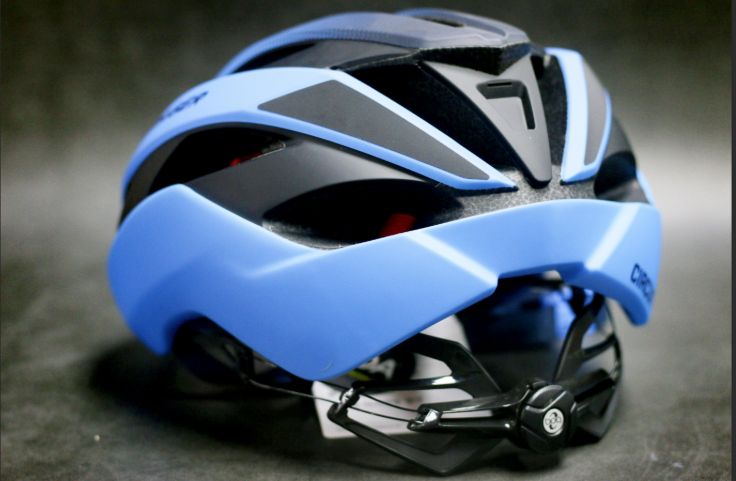
Shell: Check for scratches, stains, bubbles, dents, color differences, or paint peeling.
EPS Foam Liner: Check the EPS foam lining for cracks, breaks, obvious compression, or embedded foreign objects.
Shell and Liner Adhesion:*Check that the shell and EPS foam are completely bonded together, without obvious separation or looseness.
Edge Finish: Check that the helmet edges are smooth, free of burrs, and without sharp edges.
Ventilations: Check that the vents are clean, unblocked, and that the edges are smooth.
Internal Lining: Check the material, thickness, cleanliness, and the secureness of the Velcro or fastening method of the internal lining.
III. Functionality & Fit Check This section checks whether the helmet’s fitting system functions properly to ensure its safety performance.
Head Circumference Adjustment System: Operate the knobs or adjustment straps to check if they tighten and loosen smoothly and effectively, and maintain a locked position.
Chin Strap and Buckle: Check if the strap length adjustment is smooth; check if the buckles (clasps) can be quickly and securely fastened and unlocked.
Side Fork Buckles: Check if the fork buckles can secure the straps in the correct position (usually below the ears) and remain fixed without slipping.
Fitting Stability: Wear the helmet, tighten the adjustment system and straps, and try shaking it back and forth and side to side to check if the helmet shifts significantly or falls off.
Weight: Randomly select samples and measure the helmet weight using a precision balance to verify that it meets the specifications.
IV. Marking & Documentation Inspection
Safety Standard Marking: Check that the helmet’s interior and exterior are clearly and permanently marked with applicable safety standards (e.g., CPSC, EN 1078, GB 24429, etc.) and certification marks (e.g., CE, CCC).
Product Information Marking: Check that the helmet is marked with the manufacturer’s name/trademark, model number, size, and production ate/batch number.
Warning Marking: Check that the warning information on the helmet or in the accompanying instruction manual is complete and clear (e.g., “Replace after impact”).
Instruction Manual/User Manual: Check that an instruction manual is included, and that it includes correct wearing methods, cleaning and maintenance instructions, replacement recommendations, etc., and that the language version is correct.
Label Durability: Check that all labels are securely affixed and not easily worn or detached.
In an increasingly stringent global market environment, manufacturers’ self-declarations of product quality are no longer sufficient to win the trust of consumers and regulatory agencies.
Professional third-party inspection reports are the most powerful proof of product safety and compliance.
Choosing us means choosing professionalism, impartiality, and authority to safeguard your product safety and help you successfully expand into the global market.
Post time: Dec-02-2025