



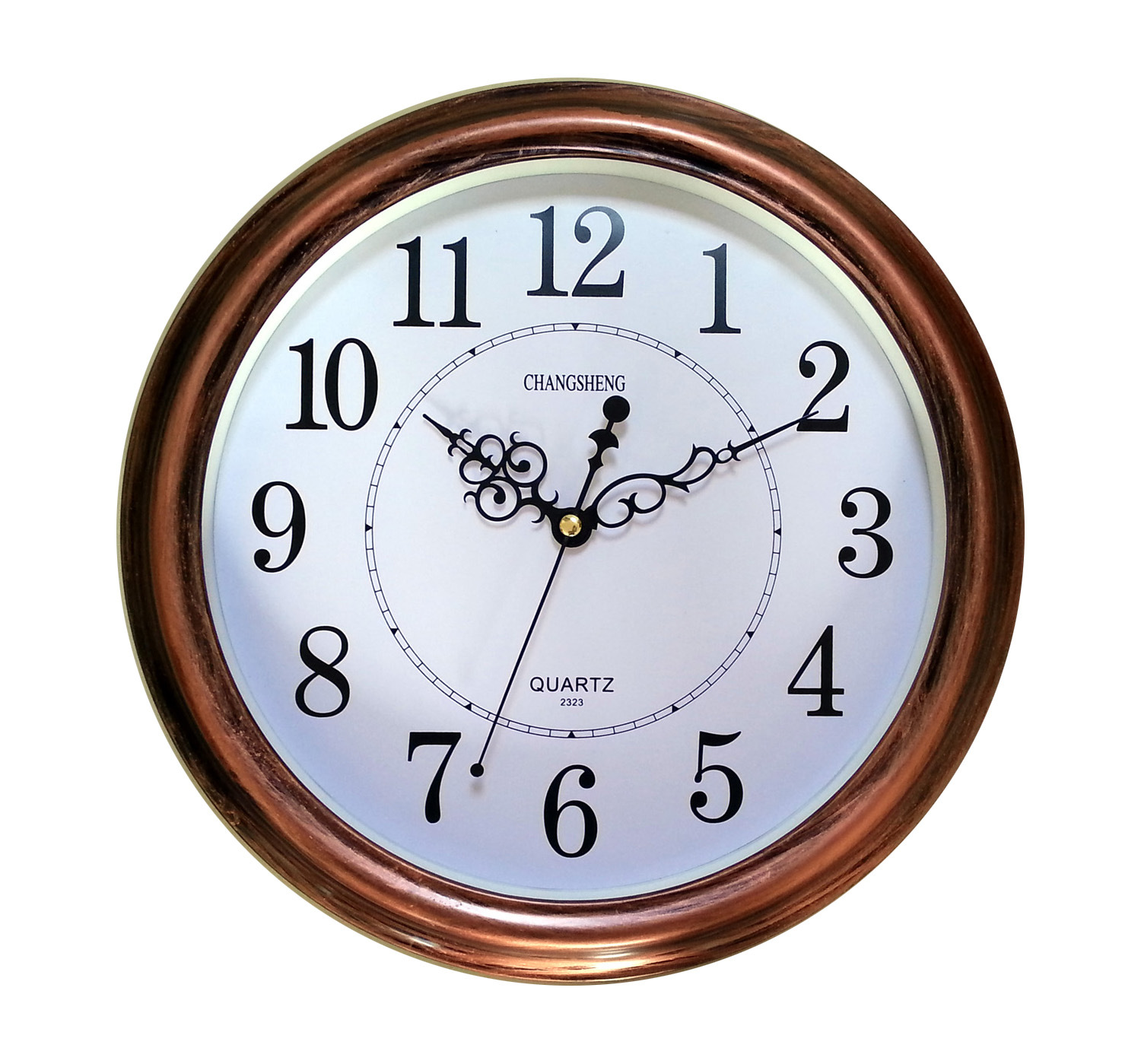
 Currently, the wall clock industry is entering a critical phase of quality upgrading and functional innovation. Intelligent integration, stratified consumer demands, and scenario segmentation have become the core development trends, with the market scale expected to maintain steady growth. As a common item in home and office scenarios, the safety compliance, performance stability, and environmental quality of wall clocks are directly related to users’ rights and interests. From a neutral perspective, third-party inspection conducts a full-dimensional test on wall clocks’ safety performance, material environmental-friendliness, timing accuracy, and electromagnetic compatibility in accordance with national standards, closely aligning with the industry’s development needs. It not only helps enterprises meet quality control requirements during intelligent transformation and avoid compliance risks, but also assists consumers in selecting qualified products and safeguarding usage safety. It serves as a vital link to standardize market order and convey quality trust. Below are the shared core inspection points for wall clocks:
I. Quantity and Packaging Inspection
- Quantity Verification: Check whether the actual production/inspection quantity, model, and color are consistent with the PO quantity.
- Outer Carton Inspection: Verify that the outer carton is sturdy, dry, and free of damage; ensure that the shipping marks on the outer carton are clear, accurate, and compliant with customer requirements.
- Inner/Color Box Inspection: Inspect if the design, printing, and material of the inner box are correct; confirm that the product information on the inner box matches the wall clock itself.
- Protective Packaging: Check whether the wall clock is packaged with sufficient protective materials (e.g., foam, bubble bags), especially that the glass surface and hands are effectively protected.
II. Appearance and Craftsmanship Inspection
(Samples are selected according to AQL standards to judge the appearance defects of wall clocks)
- Dial Face: Check for scratches, stains, bubbles, printing errors, or discoloration on the dial.
- Glass/Transparent Cover: Inspect the glass or transparent cover for cracks, scratches, fogging, foreign objects, or looseness.
- Clock Hands: Verify that the hour, minute, and second hands are straight and free of bending; ensure there is adequate clearance between the hands and the dial to avoid friction.
- Frame/Housing: Check the frame for burrs, uneven joints, color differences, paint peeling, or deformation.
- Movement Back Cover: Inspect if the movement back cover is firmly installed; confirm that the battery compartment cover can be easily opened and closed, and that the contact pieces are free of rust.
- Hook/Hanging Hole: Check whether the hook or hanging hole is sturdy and centered to ensure the wall clock can be hung stably.
III. Functional Inspection
- Timekeeping Function: Install batteries and observe if the second hand moves continuously or in jumps; set the time and check if the hour, minute, and second hands move synchronously without jamming.
- Short-term Timekeeping Accuracy: Set the standard time and observe the time difference between the wall clock display and the standard time after 1 or 2 hours, ensuring it falls within the acceptable range (e.g., the daily error of quartz clocks is generally required to be within ±1 second).
- Movement Noise: In a quiet environment, hold the wall clock close to the ear to listen to the movement operation sound and verify compliance with silent/noise-free or acceptable noise standards.
- Alarm Function (if applicable): Set the alarm time and check if the alarm rings on schedule with clear and loud sound, and if the alarm switch works effectively.
- Battery Contact: Inspect whether the positive and negative battery contact pieces have good elasticity and maintain stable contact after battery installation.
IV. Label and Documentation Inspection
- Product Information Labeling: Check if the wall clock body (usually on the back) is marked with the manufacturer’s name/trademark, model, and power supply specifications (e.g., DC 1.5V).
- Implementation Standards: Verify that the product or its packaging is labeled with the applicable standards (e.g., QB/T 1987-2013).
- Instruction/User Manual: Check if the instruction manual is enclosed, covering contents such as battery installation, time setting, and maintenance; confirm that the language version is correct.
- Label Durability: Inspect that all labels are firmly affixed and resistant to wear or falling off.
Post time: Dec-09-2025